The Ultimate Guide to Ultra-Processed Food (And How Dosa Chaska Avoids Every Single One)


Introduction: The Hidden Epidemic in Your Takeaway Food

You're standing in line at your favourite food . The menu says "fresh ingredients" and "home-style cooking." You order the chicken tikka masala or sausage roll, convinced you're making a healthier choice than the burger joint next door.

Here's what you don't see:

Your "fresh" food contains modified starch, maltodextrin, two types of emulsifiers (E471 and E433), artificial colour (E110 Sunset Yellow), flavour enhancers (E621 and E635), and preservatives you can't pronounce.

In other words: it's ultra-processed food (UPF).

And you had no idea.

This isn't a judgment. It's a wake-up call. Because in the UK, ultra-processed food now makes up 57% of the average adult's diet — and it's hiding in places you'd never expect. In the UK, analyses of the National Diet and Nutrition Survey indicate over half of daily energy comes from UPFs (≈56–57% on average), with higher intakes among adolescents (≈63–66%).

Including that "healthy" food you just ordered.

What is Ultra-Processed Food? (The NOVA Classification Explained)

The NOVA System: How Scientists Classify Food

In 2009, Brazilian nutritionist Dr Carlos Monteiro created the NOVA food classification system — now used by governments worldwide to identify ultra-processed foods. Ultra‑processed foods (UPFs) are classified using the NOVA system, which groups foods by the extent and purpose of processing. There’s no single, legally agreed UK definition of ‘UPF’; NOVA is widely used in research, but UK advisory bodies note practical limitations and call for more mechanistic evidence.

NOVA divides all food into 4 groups:

Group 1: Unprocessed or Minimally Processed Foods

  1. Examples: Fresh vegetables, rice, lentils, meat, fish, milk, eggs
  2. Processing: Cleaning, peeling, fermenting, pasteurising
  3. Verdict: Eat freely

Group 2: Processed Culinary Ingredients

  1. Examples: Butter, oil, sugar, salt, vinegar
  2. Processing: Pressing, refining, grinding
  3. Verdict: Use in moderation for cooking

Group 3: Processed Foods

  1. Examples: Canned vegetables, tinned fish, freshly made bread, cheese
  2. Processing: Preserved with salt, sugar, oil, or fermentation
  3. Ingredients: Typically 2-3 ingredients
  4. Verdict: Generally fine in moderation

Group 4: Ultra-Processed Foods (UPF)

  1. Examples: Ready meals, mass-produced bread, instant noodles, crisps, soft drinks, most fast foods
  2. Processing: Industrial formulations with 5+ processing steps
  3. Ingredients: Contains substances never used in home kitchens
  4. Verdict: Minimize or avoid

What Makes Food "Ultra-Processed"?

It's not about how much it's processed. It's about WHAT it's been processed with.

If your food contains any of these, it's ultra-processed:

  1. Emulsifiers (E471, E472, E433) — Make oil and water mix
  2. Stabilisers (E412, E415) — Extend shelf life
  3. Thickeners (Modified starch) — Fake texture
  4. Flavour enhancers (E621 MSG, E635) — Mask poor-quality ingredients
  5. Artificial colours (E110, E122, E129) — Make it look appealing
  6. Preservatives (E211, E220) — Prevent spoilage for months/years
  7. Hydrogenated oils — Trans fats
  8. High-fructose corn syrup — Cheap sweetener
  9. Protein isolates (soy, whey) — Ultra-refined proteins
  10. Maltodextrin — Processed sugar alternative

Key distinction: If the ingredient doesn't exist in a domestic kitchen, it's UPF.

You don't have maltodextrin in your cupboard. You don't have E471 emulsifier. You've never bought modified starch.

So why is it in your food?

The 14 Ingredients to Avoid (The UPF Red Flag List)

Print this list. Keep it in your wallet. Check restaurant menus and supermarket labels against it.

1. Emulsifiers (E471, E472, E433, E481)

  1. What they do: Make oil and water blend (so sauces look smooth)
  2. Why avoid: Linked to gut inflammation and microbiome disruption
  3. Found in: Most curry sauces, ice cream, margarine, bread

2. Modified Starch (Modified Maize Starch, Modified Tapioca)

  1. What it does: Thickens sauces without cream or flour
  2. Why avoid: Ultra-refined, spikes blood sugar faster than regular starch
  3. Found in: Ready meals, curry sauces, gravy, instant soups

3. Maltodextrin

  1. What it does: Cheap filler and sweetener
  2. Why avoid: Higher glycaemic index than table sugar
  3. Found in: Sauce powders, "low-fat" products, protein bars

4. Flavour Enhancers (E621 MSG, E635 Disodium Inosinate)

  1. What they do: Make cheap ingredients taste better
  2. Why avoid: Masks poor ingredient quality; some people react badly
  3. Found in: Stock cubes, gravy, crisp flavourings, Chinese/Indian takeaway

5. Artificial Colours (E110 Sunset Yellow, E122 Carmoisine, E129 Allura Red)

  1. What they do: Make food look fresh and appealing
  2. Why avoid: Banned in some countries; linked to hyperactivity in children
  3. Found in: Tandoori marinades, pickles, sweets, soft drinks

Certain azo dyes (e.g., E110) require warning labels in the UK/EU because some studies link them to hyperactivity in children; policies vary internationally.

6. Preservatives (E211 Sodium Benzoate, E220 Sulphur Dioxide)

  1. What they do: Extend shelf life from days to months/years
  2. Why avoid: Can trigger allergies; unnecessary if food is fresh
  3. Found in: Chutneys, pickles, jarred sauces, dried fruit

7. Hydrogenated Vegetable Oil (Palm Oil, Partially Hydrogenated Fat)

  1. What it does: Cheap, stable fat for frying and baking
  2. Why avoid: Contains trans fats; linked to heart disease
  3. Found in: Deep-fried snacks, samosas, pakoras, biscuits

8. High-Fructose Corn Syrup (Glucose-Fructose Syrup)

  1. What it does: Cheaper than sugar, sweeter taste
  2. Why avoid: Worse metabolic effects than regular sugar
  3. Found in: Soft drinks, sweet chutneys, desserts

9. Protein Isolates (Soy Protein Isolate, Whey Protein Isolate)

  1. What they do: Cheap protein filler
  2. Why avoid: Ultra-refined; removes all nutrients except protein
  3. Found in: Veggie burgers, meat substitutes, protein bars

10. Hydrolysed Vegetable Protein (HVP)

  1. What it does: Adds umami flavour cheaply
  2. Why avoid: Ultra-processed; masks poor-quality ingredients
  3. Found in: Stock cubes, ready meals, crisps

11. Acidity Regulators (E330 Citric Acid, E296 Malic Acid)

  1. What they do: Balance pH for shelf stability
  2. Why avoid: Industrial versions are synthesised, not from fruit
  3. Found in: Soft drinks, pickles, sauces

12. Anti-Caking Agents (E551 Silicon Dioxide)

  1. What they do: Stop powders clumping
  2. Why avoid: Unnecessary additive
  3. Found in: Spice mixes, stock cubes, salt

13. Thickeners/Gums (E412 Guar Gum, E415 Xanthan Gum)

  1. What they do: Fake "creamy" texture without cream
  2. Why avoid: Can cause digestive issues in some people
  3. Found in: Low-fat yoghurt, sauces, ice cream

14. Raising Agents (E500 Sodium Carbonate in industrial bread)

  1. What it does: Makes dough rise faster (saves time/money)
  2. Why avoid: Industrial version; natural yeast is healthier
  3. Found in: Mass-produced naan, supermarket bread

The Shocking Truth: How Typical Fast Food operators Use UPF

Let's be clear: this isn't about blaming restaurants.

It's about understanding the economics that force them to use ultra-processed ingredients.

The Restaurant Industry's Dirty Secret

Most restaurants in the UK operate aim for higher profit margin. To survive, they cut costs. And the easiest place to cut? Ingredients.

Here's what happens behind the scenes:

1. Pre-Made Curry Bases (The Foundation of Every Dish)

  1. What you think they're making:
  2. Fresh onions, tomatoes, ginger, garlic, slow-cooked for hours.
  3. What they're actually using:

A pre-made "curry base" from a wholesaler. n many high‑volume kitchens, pre‑made bases and marinades are used to save labour and ensure consistency; these may contain starches, colours, flavour enhancers and preservatives. Ingredient labels from food‑service suppliers commonly show such additives—check labels or ask venues. Here are more examples

  1. Modified maize starch (thickener)
  2. Tomato powder (not fresh tomatoes)
  3. Onion powder (not fresh onions)
  4. Vegetable oil (often palm or hydrogenated)
  5. Spice extract (not whole spices)
  6. Colour (E110 Sunset Yellow, E122 Carmoisine)
  7. Flavour enhancer (E621 MSG)

Cost: ÂŁ3-5 per 5-litre tub (makes 30+ curries)

Shelf life: 12 months

Result: Every curry tastes the same

2. Tandoori Marinades (That Bright Red Colour Isn't Natural)

What you think it is:

Yoghurt, spices, and maybe a bit of food colouring.

What it actually contains:

  1. Maltodextrin (bulking agent)
  2. Modified starch (thickener)
  3. E110 Sunset Yellow + E122 Carmoisine (that bright red)
  4. Flavour enhancer (E635)
  5. Acidity regulator (E330)
  6. Preservative (E211)

Cost: ÂŁ8 per kilogram (versus ÂŁ25 for fresh yoghurt + spices)

Shelf life: 18 months

Result: Unnaturally bright red chicken

3. Naan Bread (Mass-Produced, Frozen, Reheated)

What you think:

Freshly made dough, baked in a tandoor.

What most places do:

Buy frozen naan containing:

  1. Refined wheat flour (bleached)
  2. Hydrogenated vegetable fat (trans fats)
  3. Emulsifiers (E471, E472)
  4. Raising agent (E500)
  5. Preservative (E282)

Cost: 30p per naan (versus ÂŁ1.50 to make fresh)

Result: Chewy, bland, processed bread

4. "Homemade" Chutneys (Shelf-Stable for Months)

What you think:

Fresh mint, coriander, tamarind.

What they are:

  1. Mint flavouring (not real mint)
  2. Preservative (E211, E220)
  3. Colour (E102, E133)
  4. Thickener (Modified starch)
  5. Sugar or glucose-fructose syrup

Cost: ÂŁ2 per litre (versus ÂŁ8 for fresh ingredients)

Shelf life: 6-12 months

Result: Tastes artificial, overly sweet

Why Do Restaurants Do This?

It's not laziness. It's survival.

  1. Labour costs: Making fresh curry base takes 4-6 hours. Pre-made base saves 90% of labour.
  2. Consistency: Pre-made products taste the same every time (important for chain restaurants).
  3. Shelf life: Fresh ingredients spoil in days. UPF ingredients last months.
  4. Profit margins: UPF ingredients are 50-70% cheaper than fresh.

But here's the problem:

You're paying restaurant prices for ultra-processed food.

That £12 curry you just bought? It costs the restaurant £2.50 to make — and most of that is UPF ingredients from a wholesaler.

Dosa Chaska's Ingredient List: Rice. Lentils. Fresh Veggies. Spices. That's It.

At Dosa Chaska, we made a radical decision:

No ultra-processed ingredients. Ever. Not because it's trendy. Because it's the right thing to do.

Here's what that actually means:

Our Dosa Batter: 2 Ingredients. 12-24 Hours.

What we use:

  1. White rice
  2. Black lentils (urad dal) (whole, not refined)

That's it. Two ingredients.

The process:

  1. Soak rice and lentils (6-8 hours)
  2. Grind to a smooth batter
  3. Ferment naturally at room temperature (8-12 hours)
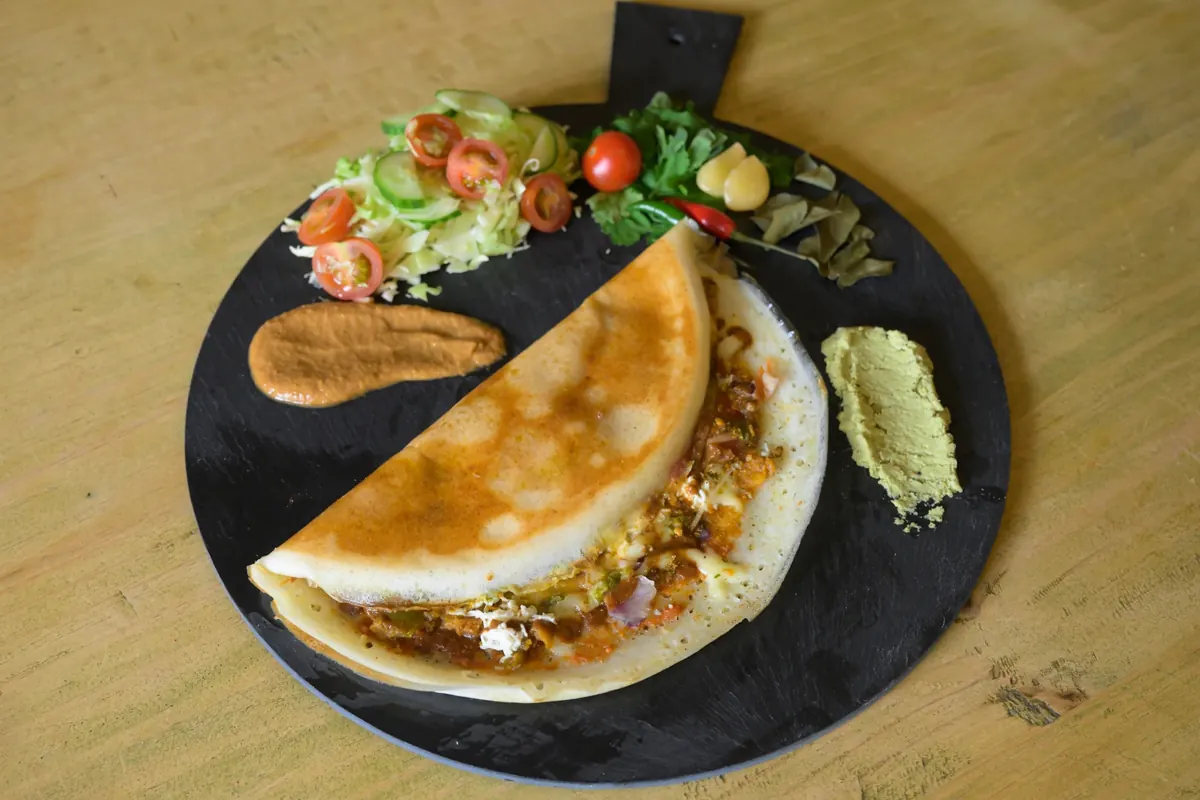
  4. Use it to make delicious Dosas (Indian Pancake)

Why ferment?

  1. Creates lactobacillus cultures (probiotic bacteria like in yoghurt)
  2. Breaks down phytic acid (makes minerals more bioavailable)
  3. Develops complex flavour (no need for artificial enhancers)
  4. Naturally gluten-free (rice and lentils, not wheat)

No emulsifiers. No preservatives. No shortcuts.

Just rice, lentils, and time.

Our Curries: Maximum 12 Whole Food Ingredients plus fresh spices

Example: Potato Masala Curry

Ingredients:

  1. Potatoes (organic, local when available)
  2. Onions (fresh, chopped daily)
  3. Tomatoes (fresh, not powder or paste)
  4. Ginger (fresh root, not paste)
  5. Garlic (fresh cloves, not paste)
  6. Green chillies (fresh, not dried or powdered)
  7. Mustard seeds (whole)
  8. Cumin seeds (whole)
  9. Turmeric (ground from root)
  10. Curry leaves (fresh)
  11. Cold-pressed coconut oil
  12. Salt (mineral-rich sea salt)

What's NOT in it:

  1. ❌ Modified starch
  2. ❌ Maltodextrin
  3. ❌ Emulsifiers (E471, E472)
  4. ❌ Flavour enhancers (E621 MSG)
  5. ❌ Artificial colours
  6. ❌ Preservatives
  7. ❌ Hydrogenated oils


  1. Shelf life: 3 days fresh, 9 months frozen (we freeze it, not preserve it with chemicals)
  2. Cost to make: 3x more expensive than UPF curry base
  3. Why we do it anyway: Because you deserve real food.
  4. Our Chutneys: Made Fresh and then Frozen

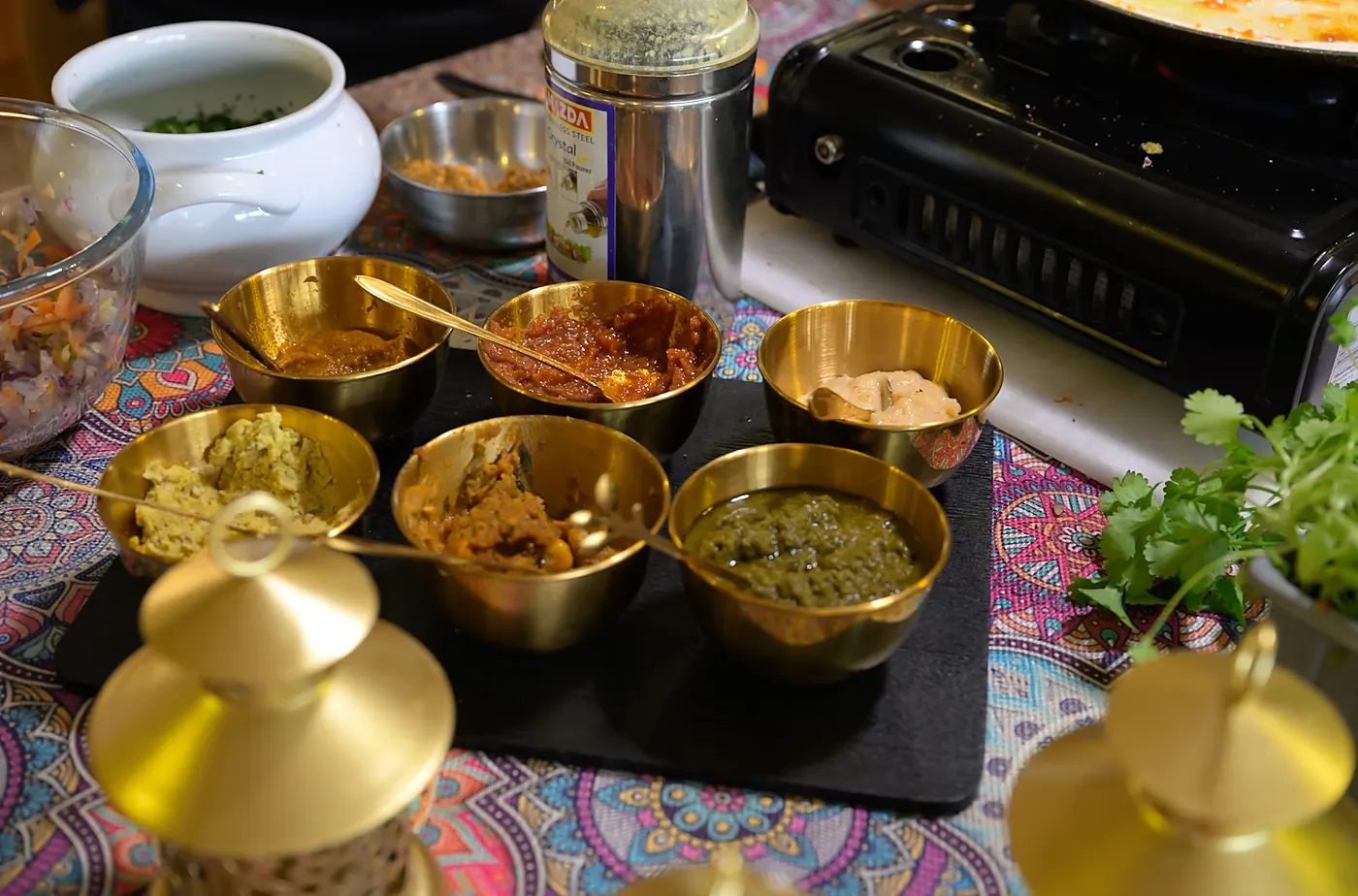
Coriander Mint Chutney Ingredients:

  1. Fresh coriander (washed and chopped daily)
  2. Fresh mint leaves
  3. Green chillies
  4. Ginger
  5. Lemon juice (fresh-squeezed)
  6. Salt
  7. Cumin powder

Compare to supermarket mint sauce:

  1. Mint flavouring (0.5% actual mint)
  2. Water
  3. Sugar
  4. Modified starch
  5. Acidity regulator (E260)
  6. Preservative (E211)
  7. Colour (E102, E133)

Which would you rather eat?

Our Promise: Ingredient Transparency

  1. Every curry we sell comes with a full ingredient list.
  2. Not "spices" (the catch-all term restaurants use to hide UPF).
  3. Actual ingredients. Every single one.
  4. If you have allergies, ask us. We'll show you exactly what's in your food.

Because we have nothing to hide.

The Health Impact: Why UPF Matters

"But I feel fine eating UPF. Why should I care?"

Fair question. Here's what the science says:

Higher UPF intake is consistently associated with poorer health outcomes in observational cohorts (e.g., higher CVD and mortality risk per 10‑point increment of UPF share). A randomised inpatient trial also showed ~500 kcal/day higher energy intake and ~0.9 kg weight gain over 2 weeks on an ultra‑processed diet versus a matched unprocessed diet. Causality beyond appetite/energy intake is still being investigated by UK advisory bodies.

Study 1: UPF and Weight Gain (NIH, 2019)

  1. Method: 20 adults ate UPF diet for 2 weeks, then whole food diet for 2 weeks
  2. Result: On UPF diet, participants ate 500 more calories per day and gained 0.9kg in 2 weeks
  3. Why: UPF is hyper-palatable (engineered to make you overeat)

Source: Cell Metabolism, May 2019

Study 2: UPF and Mortality (BMJ, 2019)

  1. Method: Followed 45,000 French adults for 7 years
  2. Result: Every 10% increase in UPF consumption = 14% higher risk of early death
  3. Why: UPF linked to heart disease, cancer, type 2 diabetes

Source: British Medical Journal, February 2019

Study 3: UPF and Gut Health (Nature, 2021)

  1. Method: Fed mice UPF diet vs whole food diet
  2. Result: UPF diet destroyed 40% of gut bacteria diversity in 4 weeks
  3. Why: Emulsifiers and preservatives kill beneficial bacteria

Source: Nature, March 2021

Some emulsifiers are being studied for potential gut‑microbiome effects. Evidence in animals and small/short human trials is mixed: certain emulsifiers have altered microbiota composition and short‑chain fatty acids, but clear inflammatory effects in healthy adults haven’t been consistently shown.

Study 4: UPF and Mental Health (Public Health Nutrition, 2022)

  1. Method: Surveyed 10,000 UK adults on diet and mental health
  2. Result: High UPF consumers had 33% higher rates of depression
  3. Why: Gut-brain axis disruption from poor microbiome health

Source: Public Health Nutrition, January 2022

The pattern is clear:

The more UPF you eat, the worse your health outcomes.

The weight of evidence links higher UPF intake with poorer outcomes; mechanisms and causality (beyond higher energy intake) are an active research area per UK advisory bodies.

How to Avoid UPF: Your 7-Step Action Plan

Step 1: Read Ingredient Lists (Not Nutrition Labels)

The nutrition label won't tell you if it's UPF.

The ingredient list will.

Rule of thumb:

  1. 5 or fewer ingredients → Probably fine
  2. 10+ ingredients → Check carefully
  3. 15+ ingredients → Almost certainly UPF

Red flags:

  1. Any ingredient you don't recognize
  2. Any ingredient you don't have in your kitchen
  3. Anything with an "E number" (E471, E621, etc.)

Step 2: Avoid the "Middle Aisles" in Supermarkets

Shop the perimeter:

  1. Fresh vegetables (outer edge)
  2. Fresh meat/fish (outer edge)
  3. Dairy (outer edge)
  4. Bread (ideally fresh bakery, not packaged)

Avoid the middle aisles:

  1. Ready meals
  2. Crisps and snacks
  3. Biscuits and cakes
  4. Soft drinks
  5. Instant noodles

Exception: Rice, lentils, whole spices, tinned tomatoes (Group 1-3 foods)

Step 3: Cook More at Home (Even Just 1-2 Meals Per Week)

You don't need to become a chef.

Start with:

  1. Sunday meal prep — Make 4 portions, freeze 3
  2. One-pot meals — Curry, stew, soup (minimal dishes)
  3. Simple swaps — Make your own chutney (5 mins), cook rice instead of microwave packets

Even 2 home-cooked meals per week = 30% less UPF in your diet.

Step 4: Ask Restaurants the Right Questions

Before ordering, ask:

  1. "Do you make your curry base fresh daily, or use a pre-made base?"
  2. "Is your tandoori marinade made in-house or bought from a supplier?"
  3. "Are your chutneys made fresh or jarred?"

Good restaurants will answer proudly.

UPF restaurants will dodge the question.

Step 5: Choose Whole Food Restaurants

Look for:

  1. Short menus (sign of fresh cooking, not reheating pre-made)
  2. Daily specials (means they're using fresh seasonal ingredients)
  3. Visible kitchen (they're not hiding anything)
  4. "Made from scratch" or "No additives" on the menu

Red flags:

  1. Huge menus (50+ items = pre-made bases)
  2. Identical taste across all curries (UPF base)
  3. Unnaturally bright colours (artificial dyes)

Step 6: Support Local, Independent Food Businesses

Why?

  1. More likely to use fresh ingredients (lower volume = less pressure to cut costs with UPF)
  2. More accountable (you can talk to the owner)
  3. More transparent (small businesses have less to hide)

At Dosa Chaska:

  1. You can tour our kitchen (nothing to hide)
  2. You can meet the family making your food
  3. You can ask for the ingredient list of anything (we'll show you)

Step 7: Batch-Cook and Freeze Your Own "Ready Meals"

The best ready meal is one you made yourself.

Our Sunday Batch-Cook Method:

  1. Make a big pot of curry (takes 90 minutes)
  2. Portion into 4-6 containers
  3. Freeze immediately
  4. Reheat during the week (8 minutes from frozen)

Result: Homemade ready meals. Zero UPF. ÂŁ3.50 per portion.

Can't cook? Join our Sunday Social workshop and learn.

The Dosa Chaska Difference: Why We Chose the Hard Path

We could have taken the easy route.

Use pre-made bases. Buy frozen naan. Jar the chutneys with preservatives.

Our profit margin would be 25% instead of 12%.

We'd make more money.

But here's the thing:

We didn't start Dosa Chaska to just make money.

We started it because:

  1. We were tired of seeing "food" full of UPF
  2. We wanted our own children to eat real food
  3. We believe Cumbria deserves better than mass-produced food
  4. We also believe who you are i.e, your body and mind are directly linked to what you consume
  5. So food plays a major part for your health and wellbeing

So we made a choice:

  1. Fresh ingredients. Every single day.
  2. No shortcuts. No compromises.
  3. Even if it costs us more. Even if it's harder.
  4. Because food matters.

Not just for your body. For your community. For your planet.

When you buy from Dosa Chaska, you're voting for:

  1. Real food over ultra-processed junk
  2. Local businesses over corporate chains
  3. Traditional methods over industrial shortcuts
  4. People over profit

And that matters more than our profit margin.

Take Action: Your Next Steps

Option 1: Try Our Curry Club (Zero-UPF Indian Food at Home)

What you get:

  1. 6 frozen curries per month (ÂŁ35 = ÂŁ3.50 per person per meal on 6 months subscription)
  2. Every ingredient listed (nothing hidden)
  3. Collect from Whitehaven Hub or Cockermouth Cafe(zero delivery fees)
  4. 100% money-back guarantee

Perfect if: You want real food but don't have time to cook from scratch

Join Curry Club → £210 for 6 Months

Option 2: Learn to Cook Zero-UPF at Home (Sunday Social Workshop)

What you learn:

  1. How to ferment dosa batter (8-12 hour process explained)
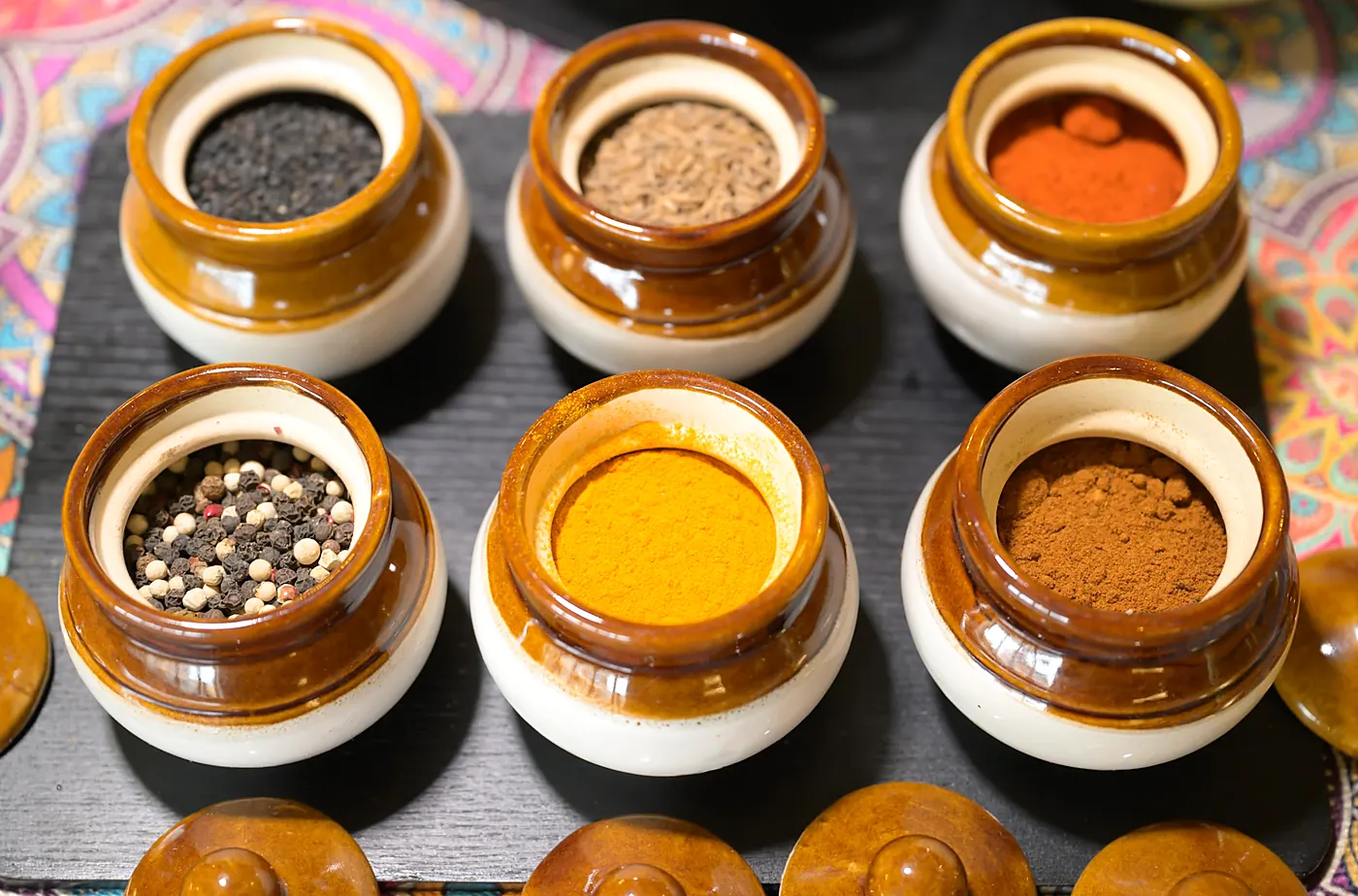
  2. Master 10 essential Indian spices
  3. Make 3 curries from scratch (zero UPF)
  4. Take home: recipes, leftovers, lifelong skills

Perfect if: You want to take control of what you eat

Book Sunday Social → £49

Option 3: Visit Our Cockermouth Café (Opening March 2026)

What you experience:

  1. Fresh dosas made to order
  2. Watch your food being made (transparent kitchen)
  3. Ask questions (we love talking about our food)
  4. Taste the difference real food makes

Perfect if: You want to see (and taste) what zero-UPF looks like

Reserve Opening Week Pass → £49

Option 4: Download Our Free "The Ultimate Guide to Indian Pancakes: Discovering the Health Benefits of Dosas"

What's inside:

Download our FREE eBook to learn how to make Dosas at home, discover their origins, and explore their nutritional benefits

Get Free Guide →

Frequently Asked Questions

Q: Is UPF really that bad? Hasn't food always been processed?

A: There's a difference between "processed" (Group 3: tinned tomatoes, cheese, bread) and "ultra-processed" (Group 4: contains industrial additives).

Humans have processed food for 10,000 years (fermenting, preserving with salt, drying).

UPF is different. It contains substances that didn't exist before the 1950s:

  1. Emulsifiers (invented 1950s)
  2. High-fructose corn syrup (invented 1960s)
  3. Modified starches (invented 1940s)

In the UK you’ll often see glucose‑fructose syrup. Regardless of type, added sugars drive excess free sugar intake; focus on reducing all sources

Your great-grandmother's processed food: Pickled vegetables (salt + vinegar)

Today's UPF: Ready meal curry (30+ ingredients, 12 of which are industrial additives)

Big difference.

Q: But I don't have time to cook from scratch every day.

A: Neither do we! That's why we created the Curry Club.

You don't need to cook every meal from scratch.

Realistic approach:

  1. 2-3 home-cooked meals per week (batch-cook on Sunday)
  2. 2-3 Dosa Chaska frozen curries (8 minutes from frozen)
  3. 1-2 meals at cafés/restaurants (choose places like ours with no UPF)

Result: 80-90% reduction in UPF. Achievable. Sustainable.

Q: Isn't "zero-UPF" just a marketing gimmick?

A: Valid question. Here's how you verify:

  1. Ask to see our ingredient lists — We'll show you every ingredient in every curry
  2. Tour our kitchen — Book a Sunday Social workshop and see how we make food
  3. Read the labels — Our frozen curries list every ingredient (you won't find any E-numbers)

We put our money where our mouth is.

If you find any ultra-processed ingredient in our food, we'll give you a full refund + ÂŁ50 cash.

That's how confident we are.

Q: What about organic? Isn't that more important than avoiding UPF?

A: Both matter, but avoiding UPF is more important.

Why?

  1. Non-organic whole potato → Still real food, your body recognizes it
  2. Organic modified starch → Still ultra-processed, your body doesn't recognize it

Ideal hierarchy:

  1. Organic + Zero-UPF (best)
  2. Non-organic + Zero-UPF (still very good)
  3. Organic + UPF (better than non-organic UPF, but still problematic)
  4. Non-organic + UPF (avoid)

At Dosa Chaska: We use organic ingredients where budget allows, but zero-UPF is non-negotiable.

Q: My kids won't eat "healthy food." How do I get them to try this?

A: We hear this a lot. Here's what works:

1. Don't call it "healthy food"

Just call it food. Kids resist labels.

2. Let them see it being made

Bring them to a Sunday Social workshop. Kids who make food are more likely to eat it.

3. Start with familiar formats

Our Dosa Pops look like chicken nuggets (but they're crispy lentil fritters). Kids love them.

4. Make it fun

"Want to try an Indian crepe?" sounds way better than "Let's eat dosa because it's healthy."

5. Be patient

It takes 10-15 exposures to a new food before kids accept it. Keep trying.

Q: I'm on a tight budget. Isn't real food more expensive?

A: Per meal, Dosa Chaska is cheaper than takeaway.

Cost comparison:

  1. Takeaway curry: ÂŁ8-12 per person
  2. Dosa Chaska frozen curry: ÂŁ3.50 per person (Curry Club membership)
  3. Supermarket ready meal: ÂŁ4-5 per person

How we keep costs down:

  1. No delivery fees (collect from Whitehaven Hub)
  2. Batch cooking (economies of scale)
  3. Minimal packaging (eco-friendly + cheaper)
  4. Direct sales (no middlemen)

Bottom line: Real food doesn't have to be expensive. You just need to know where to find it.

Conclusion: The Choice is Yours

You've made it to the end of a 3,000-word guide on ultra-processed food.

That tells me something:

You care about what you eat.

Not in a preachy, perfectionist way. But in a "I want to feel good and live well" way.

Here's the truth:

You don't need to be perfect. You don't need to cut out UPF 100%. You don't need to become a health fanatic.

But you do deserve to know what's in your food.

And now you do.

The next time you order a food, ask yourself:

  1. Do I know what's in this?
  2. Is it real food or UPF?
  3. Is there a better option?

If the answer is "I don't know" — now you know where to look.

Visit Dosa Chaska.

Try our food.

Taste the difference real ingredients make.

And if you don't love it? Full refund. No questions asked.

Because we're that confident.

Real food tastes better. Feels better. And it's worth the effort.

Ready to try zero-UPF Indian food?

👉 Join the Curry Club (£30/month for 6 curries)

👉 Book Sunday Social Workshop (Learn to cook zero-UPF at home)

👉 Visit Cockermouth CafĂ© (Opening March 2026)

Questions? WhatsApp us

Share this guide if you found it helpful. The more people who understand UPF, the better our food system becomes.

Related Reading:

  1. Why Fermented Dosa Batter is a Probiotic Powerhouse (Coming next week)
  2. Gluten-Free Indian Food: Your Complete Guide
  3. How One Cumbrian Family is Fighting UPF With Fermented Rice

About the Author:

This guide was written by the Dosa Chaska team in Whitehaven, Cumbria and AI tools. We're a family-run business committed to bringing real, zero-UPF Indian food to Cumbria. Everything we write is based on scientific research, personal experience, and a deep love for real food.

  1. Last Updated: February 2026
  2. Reading Time: 12 minutes
  3. Word Count: 3,247 words

Legal Disclaimer: This article is for educational purposes only and is not intended as medical advice. Always consult your GP before making significant dietary changes. All scientific studies referenced are cited with sources and publication dates.


References

UK guidance & positions

  1. Food Standards Agency. (2024). Ultra‑processed foods: What consumers need to know. https://www.food.gov.uk/safety-hygiene/ultra-processed-foods [academic.oup.com]
  2. Scientific Advisory Committee on Nutrition (SACN). (2023). SACN statement on processed foods and health (Position statement). Office for Health Improvement & Disparities. https://assets.publishing.service.gov.uk/media/64ac1fe7b504f7000ccdb89a/SACN-position-statement-Processed-Foods-and-Health.pdf [mrc-epid.cam.ac.uk]
  3. Scientific Advisory Committee on Nutrition (SACN). (2025, April 2). Processed foods and health: SACN’s rapid evidence update summary. GOV.UK. https://www.gov.uk/government/publications/processed-foods-and-health-sacns-rapid-evidence-update/processed-foods-and-health-sacns-rapid-evidence-update-summary [nutrition.org.uk]
  4. British Nutrition Foundation. (n.d.). Ultra‑processed foods. https://www.nutrition.org.uk/creating-a-healthy-diet/ultra-processed-foods/ [foodpolitics.com]
  5. British Nutrition Foundation. (2024, May). The concept of ultra‑processed foods (UPF): Position statement. https://www.nutrition.org.uk/media/3ylbwf3s/british-nutrition-foundation-upf-position-statement_updated-may-2024.pdf [dosachaska.com]
  6. Food Standards Scotland. (2024, August). Processed and ultra‑processed foods: Position paper. https://www.foodstandards.gov.scot/sites/default/files/migration/downloads/FSS_Advice_-_Processed_and_Ultra-Processed_Food_UPF_-_Position_Paper_-_FINAL_-_August_2024.pdf [link.springer.com]

UK consumption (share of energy from UPF)

  1. Rauber, F., Louzada, M. L. da C., Steele, E. M., et al. (2025). Ultra‑processed foods and excessive free sugar intake in the UK: A nationally representative cross‑sectional study. BMJ Open, 9(10), e027546. https://bmjopen.bmj.com/content/9/10/e027546 [dc.dosachaska.com]
  2. National Institute for Health and Care Research (NIHR). (2024, July 18). NIHR study finds ultra‑processed food makes almost two‑thirds of calorie intake of UK adolescents. https://www.nihr.ac.uk/news/nihr-study-finds-ultra-processed-food-makes-almost-two-thirds-calorie-intake-uk-adolescents [dosachaska.com]
  3. MRC Epidemiology Unit. (2024, July 19). UK teenagers get two‑thirds of their calories from ultra‑processed foods (The Conversation). https://www.mrc-epid.cam.ac.uk/blog/2024/07/19/uk-teenagers-two-thirds-calories-upf-conversation/ [dosachaska.com]
  4. Chavez‑Ugalde, I. Y., de Vocht, F., Jago, R., et al. (2024). Ultra‑processed food consumption in UK adolescents: Distribution, trends, and sociodemographic correlates (2008/09–2018/19). European Journal of Nutrition, 63, 2709–2723. https://link.springer.com/article/10.1007/s00394-024-03458-z [dosachaska.com]

Health outcomes (observational cohorts)

  1. Srour, B., Fezeu, L. K., Kesse‑Guyot, E., et al. (2019). Ultra‑processed food intake and risk of cardiovascular disease: Prospective cohort study (NutriNet‑SantĂ©). BMJ, 365, l1451. https://www.bmj.com/content/365/bmj.l1451 [food.gov.uk]
  2. Schnabel, L., Kesse‑Guyot, E., Allùs, B., et al. (2019). Association between ultraprocessed food consumption and risk of mortality among middle‑aged adults in France. JAMA Internal Medicine, 179(4), 490–498. https://jamanetwork.com/journals/jamainternalmedicine/fullarticle/2723626 [drbergdam....indows.net]
  3. BMJ Newsroom. (2019, May 29). New evidence links ultra‑processed foods with a range of health risks. https://www.bmj.com/company/newsroom/new-evidence-links-ultra-processed-foods-with-a-range-of-health-%20risks/ [independent.co.uk]

Randomised controlled trial (energy intake & weight gain)

  1. Hall, K. D., Ayuketah, A., Brychta, R., et al. (2019). Ultra‑processed diets cause excess calorie intake and weight gain: An inpatient randomized controlled trial of ad libitum food intake. Cell Metabolism, 30(1), 67–77.e3. https://www.cell.com/cell-%20metabolism/fulltext/S1550-4131%2819%2930248-7 [zapier.com]
  2. National Institutes of Health. (2019, May 16). NIH study finds heavily processed foods cause overeating and weight gain. https://www.nih.gov/news-events/news-releases/nih-study-finds-heavily-processed-foods-cause-overeating-weight-gain [sumup.com]

Additives & emulsifiers

  1. Wellens, J., Vanderstappen, J., Hoekx, S., et al. (2025). Effect of five dietary emulsifiers on inflammation, permeability, and the gut microbiome: A placebo‑controlled randomized trial. Clinical Gastroenterology and Hepatology. https://www.cghjournal.org/article/S1542-3565%2825%2900698-6/fulltext [bmj.com]
  2. Bancil, A. S., Sandall, A. M., Rossi, M., Chassaing, B., Lindsay, J. O., & Whelan, K. (2021). Food additive emulsifiers and their impact on gut microbiome, permeability, and inflammation: Mechanistic insights in inflammatory bowel disease. Journal of Crohn’s & Colitis, 15(6), 1068–1079. https://academic.oup.com/ecco-jcc/article/15/6/1068/6041235 [bmjgroup.com]
  3. Panyod, S., Wu, W.-K., Chang, C.-T., et al. (2024). Common dietary emulsifiers promote metabolic disorders and intestinal microbiota dysbiosis in mice. Communications Biology (Nature). https://www.nature.com/articles/s42003-024-06224-3.pdf [sciencedaily.com]
  4. Sugar Nutrition Resource Centre. (2021, July 2). Confusion around ‘ultra‑processed foods’. https://www.sugarnutritionresource.org/news-articles/confusion-around-ultra-processed-foods [nih.gov]
  5. VegNews / Pointing, C. (2025, May 22). Ultra‑processed foods and your health: What science really says. https://vegnews.com/upfs-are-they-all-equal [cc.nih.gov]

Shopping Cart

    Your cart is empty